Senin, 31 Januari 2011

GI Update

Professor Jennie Brand-Miller answers your questions


I have PCOS and have been told that if I eat a low GI diet it will help me lose some weight and maybe even help me get pregnant. I have tried diets before and never seem to stick to them. Have you got any tips – I really want to succeed this time round.

There are four tips we usually suggest when people want to change their diet and create new eating habits they can stick to.

1. Aim to make changes gradually. Don’t try and change everything overnight. Start with a few small changes and add more as you achieve these. Keep in mind that it takes about 3 months for a new change to become a habit.

2. Attempt the easiest changes first. Nothing inspires like success, so increase your chances by picking something simple to get you going on the right track like eating a piece of fruit as a snack every day.

3. Break those big goals into a number of smaller goals. A big goal such as wanting to drop a couple of dress sizes is unlikely to happen quickly. Smaller more specific goals such as limiting fast food to once a week or making sure you eat a low GI breakfast are much more achievable.

4. Be prepared for setbacks. You are only human. But if you have a lapse, don’t beat yourself up, just get back on track the next day.


Good luck. And if you need more help and support, it is a good idea to see a registered (accredited practicing) dietitian.


PCOS book cover


– From the revised and updated edition of the Low GI Diet for Polycystic Ovarian Syndrome, Prof Jennie Brand-Miller, Dr Kate Marsh and Prof Nadir Farid (Hachette).


GI testing by an accredited laboratory

North America


Dr Alexandra Jenkins

Glycemic Index Laboratories

20 Victoria Street, Suite 300

Toronto, Ontario M5C 298 Canada

Phone +1 416 861 0506

Email info@gilabs.com

Web www.gilabs.com


Australia

Fiona Atkinson


[FIONA]


Research Manager, Sydney University Glycemic Index Research Service (SUGiRS)

Human Nutrition Unit, School of Molecular and Microbial Biosciences

Sydney University

NSW 2006 Australia

Phone + 61 2 9351 6018

Fax: + 61 2 9351 6022

Email sugirs@mmb.usyd.edu.au

Web www.glycemicindex.com


See The New Glucose Revolution on YouTube

Making the Most of GI News

Subscribe - it's free!

To subscribe to GI News, simply click on the SUBSCRIBE link in the top right-hand column. Help us be sure our email newsletter isn’t filtered as spam. Add "gifeedback@gmail.com" to your address book to ‘whitelist’ us with your filter, helping future issues of GI News get to your inbox.


Help us get the GI on more foods

To help bring more healthy Low GI foods to your local supermarket:

1. Buy products that carry the Certified Low GI symbol. They are delicious and healthy, and their sales support us.

2. Write a thank you email to the manufacturers’ of healthy low GI foods customer care departments to help ensure that they continue to bring healthy products to market.

3. Call or email manufacturers encouraging them to join the GI Symbol Program


Your questions answered

If you have posted a question in GI News, be assured that the GI Group will answer this as soon as possible. We welcome your views about our articles and other reader’s suggestions. Please POST your comments and questions on the site.


Want to search past issues of GI News?

Want to search the GI News Archive for a particular topic, food or recipe? Make the most of our search feature with Google. Simply enter the term in the space provided and press SEARCH.


Want to print a copy of this GI News edition?

Download and print the PDF.


Copyright

This website and all information, data, documents, pages and images it contains is copyright under the Copyright Act 1968 (Commonwealth of Australia) (as amended) and the copyright laws of all member countries of the Berne Union and the Universal Copyright Convention.


Copyright in the website and in material prepared by GI News is owned by GI News, Human Nutrition Unit, University of Sydney. Copyright in quotations, images from published works and photo libraries, and materials contributed by third parties including our regular contributors Alan Barclay, Jennie Brand-Miller, Johanna Burani, Diane Temple, Emma Stirling and Nicole Senior is owned by the respective authors or agencies, as credited.


GI News encourages the availability, dissemination and exchange of public information. You may include a link to GI News on your website. You may also copy, distribute, display, download and otherwise freely deal only with material owned by GI News, on the condition that you include the copyright notice “© GI News, Human Nutrition Unit, University of Sydney” on all uses and prominently credit the source as being GI News.


You must, however, obtain permission from GI News if you wish to do the following:

  • charge others for access to the work
  • include all or part of the work in advertising or a product for sale, or
  • modify the work.
To obtain such permission, please contact gifeedback@gmail.com


This permission does not extend to material contributed and owned by other parties. We strongly recommend that you refer to the copyright statements at their respective websites and seek their permission before making use of any such material, whether images or text. Please contact GI News if you are in doubt as to the ownership of any material.


Disclaimer

GI News endeavours to check the veracity of news stories cited in this free e-newsletter by referring to the primary source, but cannot be held responsible for inaccuracies in the articles so published. GI News provides links to other World Wide Web sites as a convenience to users, but cannot be held responsible for the content or availability of these sites.


© ® & ™ The University of Sydney, Australia

Kamis, 20 Januari 2011

The Top 5 Diets

The Zone Diet
The Zone diet is different to other diets in that it discourages the intake of carbohydrates, bad fats, processed foods and sugars and focuses more on us eating more meat, fruit and vegetables. Dieters are encouraged to also calculate the amount of calories that they need a day and it also incites regular eating patterns and regular consumption of good fats and low glycaemic foods. It is a healthy and controlled way of eating which guarantees an effective weight loss although many people may find it costly and difficult to follow.


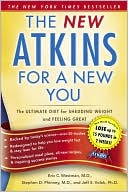
The Atkins Diet
The Atkins diet is very a low-carbohydrate diet. If we reduce the amount of carbs and eat more protein and fat, our bodies will naturally lose weight by burning our stored body fat a lot more efficiently. The problem with the Atkins diet is that because the body is burning its own fat, depending on what you eat it can have a few unpleasant side effects in some people such as bad breath and constipation. And with such a restricted diet, where you are eating a very limited amount of fruit and vegetables and quite simply just pure protein and saturated fats, you are increasing your risk of heart disease and some cancers. The potential is there to lose a lot of weight very quickly on the Atkins diet as you will tend to feel fuller for longer by eating a lot of carbs, but this kind of diet when followed long- term is harmful to your health.


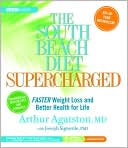
South Beach Diet

The South Beach Diet is quite similar to the Atkins diet in that it is another low carbohydrate/protein rich diet except it is a lot more balanced. Instead of sticking rigidly to low carbohydrate foods throughout the dieting phase, it focuses on how each good and bad carb foods effects your blood sugar levels. You stick to two weeks of strict restraint of what you can and cannot eat and from then onwards you can start introducing healthy carbohydrates and fruit to your diet again, it is all about experimenting with your diet and watching the weight patterns, learning what triggers your body to gain weight. If you begin to gain weight again you can easily revert back to the two week strict diet plan. As low-carb diets go, this is a far healthier diet as it not only allows encourages dieters not to cut anything out and to eat everything in moderation to maintain a healthy weight. This means you are far more likely to stick to this diet and reach your goals with great success.

The Cabbage Soup Diet
The Cabbage Soup Diet is as it sounds, eating Cabbage Soup in place of your main meals and very little else. It reduces the body’s calorie levels to the point of near-starvation. You are allowed fruit and vegetables alongside the soup but you must only eat to the point of feeling satisfied not stuffed! This diet should not be used for longer than a week as it is generally used when weight is to be lost very quickly e.g.) for a wedding etc. Alcohol is not allowed, water and unsweetened juices are the only beverages you should be drinking throughout the week. You will lose weight relatively quickly on this diet but it is only suitable as a very short term fix, side effects include flatulence and bad breath. People with long term health conditions should consult a health professional but for healthy otherwise fit people, this diet should not cause any harm.


The Capsiplex Diet

The Capsiplex Diet is the only diet where you do not have to modify your daily diet at all! Its only requirement is that you take one Capsiplex pro-slimming supplement; it is totally natural and contains fiery Capsicum extract. Ideally one should be taken 30-60 minutes prior to exercise. It is an excellent supplement to your diet as it effectively boosts your metabolic rate making you burn fat and calories quickly and safely. If you have problems with snacking, Capsiplex’s appetite suppressant can cut your food intake by up to 50% making you feel fuller and more satisfied with the food you do eat.

Senin, 10 Januari 2011

New diet pill ZGN-433 works, with no side-effects

ZGN-433 caused 24 obese women to lose, on average, a kilogram a week for a month – with no harmful side effects. This is a stunning rate of weight loss, especially as the women ate normally and were not given exercise advice. The drug works by encouraging the fat tissues to release fatty acids into the bloodstream to be converted into energy. The same drug has also been discovered to encourage the production of ketone bodies releases the fat to be burned up. larger trials will still be required and more funds will still have to be raised to aid this purpose of marketing an otherwise promising diet pill. If the redeveloped drug well achieves its purpose to combat obesity problems, market reception is expected to tremendously rise.

Jumat, 07 Januari 2011

Extremely obese people are more likely to die from the Swine Flu

Extremely obese persons with a body mass index equal to or over 40 should get vaccinated annually for influenza, according to study author Janice K. Louie of the CDPH. Anecdotal evidence suggests that people who are obese, and acquire this swine flu virus, seem to be at greater risk of developing deadly pneumonia. Extreme obesity upped the death risk for those infected with H1N1 or swine flu in 2009, a study shows. Half of Californians older than 20 years hospitalised with the flu were obese, reports the journal Clinical Infectious Diseases. Researchers co-related extreme obesity with a nearly three-fold increased odds of death from swine flu.

Jumat, 31 Desember 2010

GI News—January 2011

[COLLAGE]


  • Catherine Saxelby checks out cooking with the new low GI Carisma potatoes
  • Should you avoid carbs after 5pm to lose weight? Nicole senior investigates
  • Why eating well is not just about weight control – Dr Joanna McMillan Price
  • 3 low GI fish recipes to try
  • Is honey better than sugar from the perspective of blood glucose?


    Until recently most people had few problems deciding what to eat. There wasn’t much choice so they simply ate what was available locally – and put in front of them. Today we are bombarded with so many messages about what we should or shouldn’t eat, it’s no wonder we are confused. In this issue we feature an extract from nutritionist Dr Joanna McMillan Price’s award-winning book Inner Health, Outer Beauty on how what we eat and drink affects the way we look and feel and ultimately how healthy we are. She makes the point that yes, plenty of other factors are involved like genes and environment, but since we don’t have too much control over those, she suggests we exercise it where we can – on our food choices.


    Good eating, good health and good reading.


    Editor: Philippa Sandall

    Web management and design: Alan Barclay, PhD
  • Food for Thought

    ‘Just tell me what to eat’


    Dr Joanna McMillan Price

    Dr Joanna McMillan Price


    ‘The most common request I receive from women, ‘writes Dr Joanna, ‘is just tell me what to eat. If we want to look and feel our best, we have to consider what we put in our mouths. The right combination of food and drink can give you radiant skin, glossy, healthy hair, strong nails, clear eyes (not to mention good vision) and great teeth and gums.


    Despite the intense scientific and public arguments over which diet is best – high protein, low fat, low GI, low carb, low kilojoule or whatever – it seems to me one message resounds above all. We can only do our best when we go back to basics and eat real food that has been minimally processed. This is the food our bodies have evolved to eat and not the kind manufacturers have devised.


    Nonetheless, we lead busy lives. We don’t have time most days to spend long hours preparing and cooking food. Certain modern preservation, storing and food distribution techniques are convenient, safe and often necessary, and can help us achieve a healthier diet. Growing your own veggies organically in the backyard is commendable if you can do it, but the fact is most of us can’t. What we can do instead is use selected frozen, canned, marinated and dried produce, as well as local seasonal fresh produce, in order to eat as well as possible.


    We also now have to bear in mind more recent problems that affect agriculture and contribute to the rising cost of food such as climate change, oil price hikes and other factors. While a diet high in animal food and low in grains may be the one on which we evolved (and therefore may physiologically be best for us), we can no longer eat that way when compelling practical, ethical and environmental considerations are taken into account. The simple truth is we cannot feed the world without grains.’


    Inner Health Outer Beauty is available from leading bookstores in Australia or you can order a copy HERE.