Jumat, 27 Juni 2008

VBLOC vagal blocking therapy shows promise as a reversible and less extreme alternative to existing bariatric surgeries

In a six-month open label trial involving three medical centers in Australia, Mexico and Norway, the 31 obese participants who received the vagal nerve blocking device, also called VBLOC(TM) vagal blocking therapy, lost an average of nearly 15 percent of their excess weight. A quarter of the participants lost more than 25 percent, and three patients lost more than 30 percent.

Read more: MedicalNewsToday

Rabu, 25 Juni 2008

Controversial obesity drug Acomplia gets UK okay

Sanofi-Aventis won a final green light for its obesity drug Acomplia from Britain's cost-effectiveness watchdog NICE on Wednesday, clearing the way for doctors to prescribe it on the state health service. Acomplia was once touted as a multibillion-dollar seller, but hopes for the product dimmed last year when a U.S. expert panel recommended against its approval in the world's biggest market, after it was linked to rare cases of suicidal thoughts.

Read more Yahoo News

Senin, 23 Juni 2008

Big-breakfast diet works because it controls appetite and cravings for sweets and starches.


Researchers have found a possible way to overcome the common problem of dieters eventually abandoning their diet and regaining the weight they lost. Eat a big breakfast packed with carbohydrates and protein, then follow a low-carb, low-calorie diet the rest of the day.

"Most weight loss studies have determined that a very low carbohydrate diet is not a good method to reduce weight," said lead author Daniela Jakubowicz, MD, of the Hospital de Clinicas, Caracas, Venzezuela. "It exacerbates the craving for carbohydrates and slows metabolism. As a result, after a short period of weight loss, there is a quick return to obesity. Read more on News-Medical.Net

Sabtu, 21 Juni 2008

Proactol, recommended by The Daily Telegraph

The Daily Telegraph is one of the most well recognised and reputable British newspapers available and is relied upon by hundreds of thousands of people everyday.

After conducting extensive qualitative interviews with successful slimmers, Proactol™ was recommended to this famous broad sheet newspaper as the best fat binder for losing weight.

Proactol™ is clinically proven to take out your dietary fat by up to 28%, as well as:

- Help Reduce Excess Body Weight - We all have those parts of our body we wish could be more toned - be figure happy!
- Reducing your calorie intake - When your dieting you need to lose weight by burning off more calories than you eat!
- Helping you to Reduce Food Cravings - No longer endure as many hunger pangs in between meals - you will have an added weight loss booster!

More information

Leptin may keep the weight off

Leptin is a natural appetite suppressant secreted by fat cells in the body. Its discovery created a stir in the 1990s when researchers found leptin caused mice to eat less and lose weight. This rarely happens in humans.

Since then researchers have been looking the best way to use the hormone to help treat obesity.

In earlier studies, researchers found that when people lose weight, leptin levels fall as the body tries to protect its energy stores.

Rosenbaum investigated the impact of this loss of leptin on the brains of people who had lost weight, and whether replacing the hormone might help them keep off the weight.

He used an imaging technique known as functional magnetic resonance imaging that shows activity in the brain. The researchers studied six obese patients before and after going on a hospital-supervised diet that reduced their body weight by 10 percent.

People were shown pictures of food and non-food items, such as an apple or a yo-yo. The researchers found that after weight loss, areas in the brain responsible for regulating food intake were less active when people were shown food images. Areas in the brain responsible for emotion were more active.

When the researchers restored leptin to the levels before the dieting, these changes were largely reversed.

Similar results have been seen in people with a rare genetic condition in which their bodies do not make leptin.

Rosenbaum believes leptin could be a useful tool in helping people maintain weight loss. "The idea is there should be a whole new class of therapies to help us keep weight off after we have lost it," he said.

Source: Yahoo News

Rabu, 18 Juni 2008

Lap-Band procedure, is a safe and effective way for morbidly obese teens

Teenagers' obesity-related medical complications improve just 6 months after laparoscopic gastric banding surgery, a new study found. The preliminary results will be presented at The Endocrine Society's 90th Annual Meeting in San Francisco.

Extremely obese teenagers have obesity-related health problems, particularly diabetes and increased cardiovascular risk, such as high blood pressure, said Dr. Fennoy. Very obese teens have had to rely primarily on nonsurgical methods or higher-risk surgeries to lose weight. Until now, few treatments have succeeded in achieving major weight loss or greatly improving adolescents' medical complications of obesity, she said.

"Laparoscopic gastric banding offers the possibility of a new therapy for morbidly obese adolescents who have medical complications," Dr. Fennoy said.

Source: Medical News Today

Senin, 16 Juni 2008

Resveratrol, a compound present in grapes and red wine, reduces the number of fat cells


Resveratrol may one day be used to treat or prevent obesity, according to a new study.

Past research found that resveratrol protected laboratory mice that were fed a high-calorie diet from the health problems of obesity, by mimicking the effects of calorie restriction. Researchers at the University of Ulm in Germany wanted to know if resveratrol could mimic the effects of calorie restriction in human fat cells by changing their size or function. The German team used a strain of human fat cell precursors, called preadipocytes. In the body, these cells develop into mature fat cells, according to the study's lead author, Pamela Fischer-Posovszky, PhD, a pediatric endocrinology research fellow in the university's Diabetes and Obesity Unit.

In the cell-based study, they found that resveratrol inhibited the pre-fat cells from increasing and prevented them from converting into mature fat cells. Also, resveratrol hindered fat storage. Most interesting, according to Fischer-Posovszky, was that resveratrol reduced production of certain cytokines (interleukins 6 and 8), substances that may be linked to the development of obesity-related disorders, such as diabetes and clogged coronary arteries. Also, resveratrol stimulated formation of a protein known to decrease the risk of heart attack. Obesity decreases this substance, called adiponectin.

The new finding is consistent with the theory that the resveratrol in red wine explains the French paradox, the observation that French people eat a relatively high-fat diet but have a low death rate from heart disease.

"Resveratrol has anti-obesity properties by exerting its effects directly on the fat cells," Fischer-Posovszky said. "Thus, resveratrol might help to prevent development of obesity or might be suited to treating obesity."

Fischer-Posovszky cautioned that, while the health benefits of resveratrol seem promising, there is not sufficient knowledge about the effects of long-term treatment. One small study found that a single dose of up to 5 grams of resveratrol (much higher than the amount in a bottle of red wine) caused no serious ill effects in healthy volunteers, she pointed out. However, she said another study theorized that resveratrol may stimulate the growth of human breast cancer cells, possibly because resveratrol's chemical structure is similar to a phytoestrogen, an estrogen-like substance found in some plants.

Source: ScienceDaily

Sabtu, 14 Juni 2008

Weight loss products containing bitter orange cause similar effects to Ephedra

Weight loss supplements that have stepped in to replace banned ephedra products carry the same heart risks, a research concludes.

Researchers at the University of California, San Francisco, say weight loss products containing bitter orange cause similar effects to ephedra, including increased heart rate and blood pressure. Their study appears in the American Journal of Medicine.


Ephedra is a plant-derived stimulant that was promoted for weight loss and to boost energy levels. While it is still allowed to be used in Canada in small doses in nasal decongestants, it is not approved for weight loss, appetite suppression, or similar uses. It is particularly dangerous when combined with caffeine or other stimulants, as is the case in many such supplements. In Canada, this combination has been blamed for at least one death, while in the US, the death in 2003 of 23-year-old Baltimore Orioles pitcher Steve Bechler, who used an ephedra supplement, helped prompt a ban.

Since then, numerous supplements have popped up in its place, including ones with bitter orange - also known as Sevilla orange or citrus aurantium - which contains synephrine, a chemically-similar compound to the active ingredient in ephedra. But until now, little was known about the effects of these products.

The researchers set out to test the safety of bitter orange products with a study involving 10 healthy adults between the ages of 18 and 42. Participants were instructed to avoid caffeine, over-the-counter drugs, and herbal products for 24 hours before the study began.

Each participant randomly received a single dose of either Advantra Z, which contains 46.9 mg of synephrine, Xenadrine EFX, which contains 5.5 mg of synephrine along with 239.2 mg of caffeine and 5.7 mg of a compound called octopamine, or a placebo (inactive imitation medication). Participants eventually tried all three of the treatments, with a period of at least a week between each.

Heart rate and blood pressure were measured one hour before participants received their supplements and then checked again at the time participants received their dose, as well as 30, 60, and 90 minutes and two, three, four, five, six, eight, and 12 hours after. Blood samples were taken at the same time, starting when participants received their doses. Participants also rated their physical symptoms, moods, and emotions on a questionnaire at the time they received their dose and then again after one, two, and six hours.

While Advantra Z did not have any significant effects on blood pressure, Xenadrine EFX raised both systolic (the upper number) and diastolic blood pressure by an average of about 9 mm Hg each after two hours. Both treatments also significantly raised heart rates, with a peak of about 11 beats per minute for Advantra Z and nearly 17 extra beats per minute for Xenadrine EFX six hours after taking the medication.

These findings indicate that re-formulated weight loss supplements have similar acute cardiovascular stimulant actions as banned ephedra products and could cause adverse health effects in some individuals," write Dr. Christine A. Haller and colleagues.

But they go on to conclude that the bitter orange alone is not likely responsible, as evidenced by the fact that the amount of synephrine in Advantra Z - which far outweighs that in Xendarine EFX - does not cause a significant boost in blood pressure, whereas Xenadrine EFX does. They add that an interaction between synephrine and caffeine could be to blame.

"Physicians should caution patients about the use of ephedra-free weight-loss dietary supplements and monitor blood pressure in those who choose to use these supplements," the researchers conclude. "Individuals with hypertension, heart disease, or other pre-existing conditions that could be exacerbated by the sympathomimetic effects of botanical stimulants should avoid use of these products."

There's no quick fix for weight loss, but it is possible to shed pounds safely. So before you start a diet or add a supplement to your weight-loss regime, talk to your doctor.

Source: Canada.com

Rabu, 11 Juni 2008

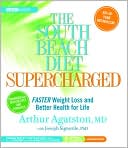
South Beach diet, a diet plan with good carbohydrates and good fats


Dr. Agatston believes that excess consumption of so-called 'bad carbohydrates', such as the rapidly-absorbed carbohydrates found in foods with a high glycemic index, creates an insulin resistance syndrome—an impairment of the hormone insulin's ability to properly process fat or sugar.

In addition, he believes along with many physicians that excess consumption of 'bad fats', such as saturated fat and trans fat, contributes to an increase in cardiovascular disease. To prevent these two conditions, Agatston's diet minimizes consumption of bad fats and bad carbohydrates and encourages increased consumption of good fats and good carbohydrates.

The diet has three phases. In all phases of the diet, Dr. Agatston recommends minimizing consumption of bad fats.

Phase 1
The diet begins with Phase 1, which lasts two weeks. Dieters attempt to eliminate insulin resistance by avoiding high or moderately high-glycemic carbohydrates, such as dairy, sugar, candy, bread, potatoes, fruit, cereals, and grains. During this phase, Dr. Agatston claims the body will lose its insulin resistance, and begin to use excess body fat, causing many dieters to lose between 8 and 13 pounds. For the first two weeks, dieters eat normal-size helpings of meat, fish, vegetables, eggs, cheese, and nuts. This phase includes three meals a day, plus snacks, encouraging the dieter to eat until their hunger is satisfied. No alcohol is allowed (though red wine will be introduced later in small amounts). The dieter loses weight, changes body chemistry, and ends cravings for sugars and starches.

Phase II
After two weeks, Phase II begins. Whole grain foods, fruits and dairy products are gradually returned to the diet, although in smaller amounts than were likely eaten before beginning the diet, and with a continued emphasis on foods with a low glycemic index. Sweet potatoes are also now permissible, as is red wine, both in moderate amounts.

Phase III
After the desired weight is obtained, the diet calls to move into Phase III, a maintenance phase. In Phase III the diet expands to include three servings of whole grains and three servings of fruit a day.


Source: Wikipedia

Senin, 09 Juni 2008

Grapefruit can play a vital role in losing weight

The grapefruit diet is not a myth. That's what a new study by the Nutrition and Metabolic Research Center at Scripps Clinic confirmed. Researchers there found that the simple act of adding grapefruit and grapefruit juice to one's diet can result in weight loss.

The 12-week pilot study, led by Dr. Ken Fujioka, monitored weight and metabolic factors, such as insulin secretion, of the 100 men and women who participated in the Scripps Clinic 'Grapefruit Diet' study.

On average, participants who ate half a grapefruit with each meal lost 3.6 pounds, while those who drank a serving of grapefruit juice three times a day lost 3.3 pounds. However, many patients in the study lost more than 10 pounds.

'Our study participants maintained their daily eating habits and slightly enhanced their exercise routine; the only dietary change was the intake of Florida grapefruit and grapefruit juice.'

Additionally, the research indicates a physiological link between grapefruit and insulin, as it relates to weight management. The researchers speculate that the chemical properties of grapefruit reduce insulin levels and encourage weight loss.

The importance of this link lies with the hormone's weight management function. While not its primary function, insulin assists with the regulation of fat metabolism.

Therefore, the smaller the insulin spike after a meal, the more efficiently the body processes food for use as energy and the less it's stored as fat in the body. Grapefruit may possess unique chemical properties that reduce insulin levels which promotes weight loss.

Obesity continues to plague the American public and the health system.

According to the National Center for Health Statistics, 64 percent of U.S. adults are considered overweight or obese. Overweight or obese people stand a greater likelihood of developing life-altering and/or life-threatening illnesses such as heart disease, cancer, diabetes, high blood pressure, high cholesterol, sleep apnea, arthritis, liver problems, and many others.

'Our study shows grapefruit can play a vital role in overall health and wellness, and in battling America's ever-growing obesity epidemic,' stated Dr. Fujioka.

'Whether it's the properties of grapefruit or its ability to satiate appetites, grapefruit appeared to help with weight loss and decreased insulin levels leading to better health. It's good the 'Grapefruit Diet' never lost its popularity among the public.'

Source: Medical News Today

Minggu, 08 Juni 2008

Intragastric balloons are a safe

Intragastric balloons are a safe and effective way to achieve weight loss in obese patients who have been unable to lose weight by other means, researchers reported here at the 16th European Congress on Obesity (ECO).

The water-filled balloons are installed using endoscopy to achieve restriction of gastric intake in obese patients.

Sharon Marks, MD, Coordinator, Obesity Clinic, Consultant Physician in Clinical Nutrition, Monash Medical Centre, Melbourne, Victoria, Australia, and Frankston Private Hospital, Frankston, Victoria, Australia, and colleagues inserted 92 water-filled intragastric balloons into 73 obese patients over 6 years.

The 63 women and 10 men had been unable to lose weight using other means, including reduced-fat diets, exercise, very low-calorie diets, and the anti-obesity drugs sibutramine and orlistat.

Spontaneous deflations occurred in 13 balloons 2 to 4 months after surgery. "This was thought to be because of a leaky valve in one batch of balloons used between June 2002 and June 2003," the researchers explained in their poster presentation May 17.

Eight of the deflated balloons remained in the stomach and were removed endoscopically; 5 of them transited the bowel without causing bowel obstructions.

No spontaneous deflations occurred during the second 3 years.

The researchers reported that 79 fully-inflated balloons were removed from 73 patients. Twelve of the balloons were removed prematurely -- 8 of them because of intractable vomiting and nausea; 2 because of belching; 1 prior to emergency hernia surgery; 1 at the patient's request.

In the overall patient group, including patients whose balloons deflated, the mean weight loss was 10.5 kg (P < .0001). In the patients with intact balloons, mean weight loss was 11.0 kg (P < .0001).

"All the patients had attended the same physician for an average of 34 months and had previously trialed medications such as orlistat, sibutramine, and sertraline, in addition to using a very-low-calorie diet to achieve weight loss," the researchers reported. "Many required weight loss prior to joint replacement surgery."

They admitted that while this is not the ideal study cohort, they analysed the data in an attempt to evaluate the treatment's efficacy, tolerability, patient selection criteria, and safety.

Univariate analysis showed significantly greater weight loss in patients with a body-mass index of 50 kg/m2 or greater. Other variables, such as length of time of balloon insertion and number of review consultations, had a negative correlation with weight loss.

"These findings matched clinical experience and suggest that the intragastric balloon is a physical deterrent to large food portion sizes and achieves significant weight loss," the researchers reported.

Source: Doctor's Guide

Jumat, 06 Juni 2008

Protein-rich weight-loss diets preserve muscle mass


A higher-protein diet that emphasizes lean meats and low-fat dairy foods as sources of protein and calcium can mean weight loss without bone loss--and the evidence is in bone scans taken throughout a new University of Illinois study.

The research, which compared the results of a high-protein, dairy-intensive diet with a conventional weight-loss diet based on the food-guide pyramid, was published in this month's Journal of Nutrition.

"This is an important finding because many people, especially women in mid-life, are concerned with both obesity and osteoporosis," said Ellen Evans, a U of I associate professor of kinesiology and community health and member of the U of I Division of Nutritional Sciences.

"Furthermore, treating obesity often increases risk for osteoporosis. Many people lose bone mass when they lose weight," she said.

Study co-author Donald Layman, a U of I professor of nutrition, has previously reported that protein-rich weight-loss diets preserve muscle mass, help lower blood sugar and lipids, and improve body composition by targeting weight carried in the abdomen.

In the recent study, Layman's diet prescribed approximately 30 percent of all calories from protein, with an emphasis on lean meats and low-fat dairy products.

The scientists recruited and randomized 130 middle-aged, overweight persons at two sites--the U of I and Pennsylvania State University. Participants then followed either the higher-protein weight-loss diet or a conventional higher-carbohydrate weight-loss diet based on the food-guide pyramid for four months of active weight loss followed by eight months of weight maintenance.

"Essentially we substituted lean meats and low-fat milk, cheese, yogurt, etc., for some of the high-carbohydrate foods in the food-pyramid diet. Participants also ate five servings of vegetables and two to three servings of fruit each day," Evans said.

Bone mineral content and density were measured with DXA scans of the whole body, lumbar spine, and hip at the beginning of the study, at four months, at eight months, and at the end of the 12-month period.

"In the higher-protein group, bone density remained fairly stable, but bone health declined over time in the group that followed the conventional higher-carbohydrate diet. A statistically significant treatment effect favored the higher-protein diet group," said Matthew Thorpe, a medical scholars (MD/PhD) student who works in Evans's lab and was the primary author of the study.

"The combination and/or interaction of dietary protein, calcium from dairy, and the additional vitamin D that fortifies dairy products appears to protect bone health during weight loss," he added.

Because higher-protein diets have been associated with elevated urinary calcium levels, some scientists have feared that these diets cause bone demineralization.

The U of I team measured these levels at the beginning and eight months into the study. Although the researchers did note increased amounts of urinary calcium in the higher-protein group, they attributed the source of the increased calcium to improved intestinal absorption of calcium rather than bone loss.

"Other recent studies using radiolabeled calcium have shown that the higher urinary calcium levels associated with higher-protein diets are not coming from bone as some researchers had believed," Thorpe said.

The U of I scientists will soon begin a similar study contrasting higher-protein, dairy-rich diets with conventional weight-loss diets in older, mildly frail women.

"We'll measure bone and muscle outcomes in the two groups after six months of weight loss. Ultimately we want to know if a higher-protein weight-loss diet that emphasizes lean meats, whey protein, and low-fat dairy consumption can reduce the risk for osteoporosis and muscle loss.

"We also want to learn how these changes in body composition will affect balance, gait, and other measures of physical function in this population known to be at high risk for osteoporosis and physical disability," she said.

Source: Science Daily

Rabu, 04 Juni 2008

Increasing serotonin causes fat reduction

A brain chemical strongly linked to mood and appetite may also directly affect fat gain, U.S. researchers reported on Tuesday.
They said levels of serotonin, the nerve-signaling chemical targeted by many antidepressants, may also direct the body to put down fat regardless of how much food is eaten.


"It may be one reason diets fail," metabolism expert Kaveh Ashrafi of the University of California, San Francisco, who led the study, said in a telephone interview. The findings, published in the journal Cell Metabolism, could lead to better diet drugs and treatments for diseases like diabetes.

Serotonin may help the body decide whether to burn off excess calories, or store them as fat, Ashrafi said.

He worked with roundworms for his experiment but said the findings may relate to humans. "These worms, although they are microscopic, they have around 20,000 genes ... and if you compare them side by side they are about 50 percent similar to us," he said.

Genes controlling appetite, fat storage and metabolism are especially similar, he said. The tiny worms can be manipulated to see changes to their metabolism, appetite and weight gain.

"It has been known for a long time that increasing serotonin causes fat reduction," Ashrafi said.

"At the molecular level we are trying to understand what is the mechanism that allows that to happen. What we discovered in the worm is that those mechanisms can be separated from the mechanisms that mediate the effects of serotonin on appetite."

The research found serotonin levels affected the worms' appetite, but they also affected how much fat the worms accumulated, and this was via a separate process.

If the worms detect a food shortage, their metabolisms shift and they store more fat. This could explain why some people get fat more easily than others -- and why dieting can cause more weight gain later.

"Different people may have similar diets, may have similar rates of physical activity, but may have very different body weights," Ashrafi said. "Appetite is only part of it."

But for now the remedy for excess body fat remains obvious. "Nothing in our study says that good nutrition and physical activity are not good for you," Ashrafi said.

Simply raising serotonin levels can have serious side-effects. The diet drug fenfluramine, which has the effect of raising serotonin levels, was pulled off the market in 1997 after it caused sometimes deadly heart valve damage.

Source: Yahoo News

Senin, 02 Juni 2008

Crash diet, you could actually be doing your weight and health more harm than good

Chartered health psychologist Dr Kerri McPherson, a former lecturer at the Capital's Queen Margaret University, believes restricting your food intake and banning certain foods is a recipe for disaster. Not only are fad diets bound to fail, she says, but ultimately they are more likely to lead to weight gain. She also points the finger at our eagerness to accept the idea of comfort eating. How many people haven't, for instance, turned to a piece of chocolate cake to help heal the wounds of a relationship break-up?

Dr McPherson says: "When people, particularly women, are over-weight, there's a tendency for them to feel pressure to lose weight. We know that people who engage in yo-yo dieting are more likely to be over-weight.

"Restricting food intake is more likely to lead to people being over-weight and lead to disinhibition when a diet is broken.

"That cycle through restraint and disinhibition usually results in weight gain. People who diet cycle usually get stuck in a rut where one week they may have lost a couple of pounds then give up the diet and put it back on again.

"We see dieting very much as a short-term fix rather than seeing it as a long-term solution."

Food and nutrition experts encourage people who tend to fall off the wagon to try to identify the reasons which lead to them pandering to certain cravings.

IF stressful events leave people reaching for the biscuit tin, then they are encouraged to be aware of their emotions, and have a plan B on standby.

Dr McPherson adds: "There's a point after lunch every day where stress at work is high and we would encourage people to have healthier snack options available to them.

"There's a link between sweet food, and in particular chocolate, and the release of certain chemicals in the brain which assist with feelings of comfort.

"The way that we talk about comfort eating is as though it's widely accepted."

Dr McPherson also believes that people are piling on the pounds because of a genuine lack of knowledge about which foods are healthy and which are bad for you.

Again, she says, the diet obsession is encouraging people to buy products which claim to be that they think will help them lose weight, which is not always the best thing for them.

She says: "The reality is that people just don't know what is good and bad because nutritional knowledge in the UK is bad.

"The marketing of particular types of food as healthier options can be misleading for people."

With around three quarters of women admitting that they have been on a diet at some point in their lives, Emma Conroy, a nutritionist with Edinburgh Nutrition, says it's important to put it into context.

She says: "It's important to remember that being overweight isn't necessarily a health concern, it depends on what sort of fat makes up the excess weight, and where it is stored in the body."

Simply weighing yourself, she explains, does not paint a clear picture, with measuring your waist-to-hip ratio proving a more "crucial factor" in deciding whether your weight is a health risk.

She also stresses that women must remember that due to the demands of pregnancy and breastfeeding, the female body has evolved the capacity to store substantial amounts of fat, safely, giving a pear-shaped figure.

She adds: "Apple shapes beware. Fat that is stored in the abdomen, around the organs, is more metabolically active.

"It's put there for short-term use, readily laid down, and readily re-entering the blood.

"Fat stored away from the organs – in thighs, buttocks and breasts – is there for the long-term.

"That's why it's so much harder to shift, but the plus-side is that this more inert fat poses far less, if any, health risk."

Source: NewsScotsman.com