Minggu, 31 Juli 2011

GI News—August 2011

[COLLAGE]
  • Prof Jennie Brand-Miller on protein power from low GI plant foods
  • Nicole Senior on why meat should be a tasty side-show on our plates and not the main event
  • Julian Cribb's new book on how to feed a growing planet
  • 3 delicious low GI ‘plant-based’ recipes from the GI News Kitchen
  • Too much potato, sugary drinks and meat linked to greatest weight gain
  • New GI values for breakfast cereals and Naked Pizza
‘We must think sustainably for our bodies, our wellbeing and our environment’ writes Red Lantern chef Mark Jensen in the introduction to his book The Urban Cook: Cooking and eating for a sustainable future. We agree. And we believe that a low GI diet with its emphasis on ‘slow’ carbs to fuel your body and power your life will help you do just that. We also know from very large epidemiological surveys that low GI diets are flexible, liveable, and family friendly. They also help you optimise your insulin sensitivity and decrease your insulin levels over the whole day. With their emphasis on minimally processed plant foods and moderate amounts of protein foods, they are also better for the environment. Sustainable nutrition all-round we say.

Good eating, good health and good reading.

Editor: Philippa Sandall
Web management and design: Alan Barclay, PhD

Food for Thought

Nicole Senior on why meat should be a tasty side show on your plate and not the main event

[NICOLE]
Nicole Senior

Some believe that eating meat was the reason modern man evolved to have such a large brain and occupy the top of Earth’s food chain. While we can survive without it, meat is a highly nutritious food that provides essential nutrients more difficult to obtain from plant foods.

While it’s true that livestock do contribute to environmental problems, the environmental argument against meat has been infused with emotion and ideology as to whether human beings should eat meat at all. The picture has also been muddied by the rampantly excessive consumption of meat in rich countries and the environmentally damaging effects of factory farming and here in Australia the scandal in recent weeks over the cruel slaughter methods of live cattle exported to Indonesia.

But we need pragmatic solutions for a world hungry for protein. It is unrealistic to think we will stop eating meat to save the environment, however we can produce meat in a more sustainable and ethical way, and eat less to minimise our environmental impact.

Meat from any source is nutrient-rich, however red meat – which attracts the most criticism – is rich in iron necessary for healthy blood, zinc required for immunity and vitamin B12 for healthy DNA and cell division.

Sure there are vegetarians who thrive on a meatless diet, but there are also those who don’t and have to take nutrient supplements to make up the shortfall. The degree of difficulty of a meatless diet is much higher than an omnivorous diet. In poor countries where people cannot afford to eat meat, iron-deficiency anaemia is one of the most common childhood diseases. Large nations undergoing economic development are also demanding more meat, so it is more urgent than ever to build sustainability into meat production systems around the world.

Avowed carnivores and vegans are dietary extremes while health is so often found in the happy medium. If we ate according to health guidelines (Australia's Guide to Healthy Eating; USA's My Plate), both our own health and the health of the planet and all the people living on it could be improved!

Warm beef salad

Credit: Warm beef salad from Eat to Beat Cholesterol by Nicole Senior and Veronica Cuskelly (New Holland)

So, although serious meat-lovers would do well to take a leaf out of the vegetarian book by including more protective plant foods, there’s no need to banish meat from your dinner plate – just cut back so it’s a tasty side-show filling no more than a quarter of the plate rather than the main event taking over the whole plate as served up in some steakhouses.

Luckily the amount of red meat recommended for health fits in nicely with the amount suggested for environmental sustainability. Check out the figures.

A model healthy diet according to Australia’s National Health & Medical Research Council, contains 65g a day of red meat (455g/1lb per week) and the American Institute of Cancer Research: World Cancer Research Fund says to limit red meat to no more than 500g (1lb 2oz) to reduce the risk of cancer.

To reduce greenhouse gas emissions, Professor Tony McMichael and colleagues from the Australian National University have suggested we limit red meat to no more than 90g (3oz) a day (630g/1lb 5oz a week), based on the idea people in developed countries currently eat more than double this.

My takeout message is this – meat is nutritionally important, but we in rich countries should eat less. Eating less red meat (you don’t need to eat it every day as there is fish, chicken, pork with smaller environmental footprints as well as excellent – and low GI – plant sources of protein that we should be eating more of) will send a message to producers that they can use less intensive and more sustainable methods to produce beef. We need to focus on farming animals (and crops) more sustainably and with minimal environmental impact.

In 2010, Dietitian Nicole Senior won a DAA Outstanding Contribution Award which recognises her contribution to DAA’s Corporate Nutrition and Food and Environment Interest Groups. She played a leading role in the highly successful educational events on food and the environment called ‘Is our food costing the earth?’ held in Sydney in February in 2010 and ‘What a waste’ held in April 2011.

News Briefs

Potato, sugary drinks and meat linked to long-term weight gain

‘An average adult (in the US) gains about one pound (0.5 kg) per year. Because the weight gain is so gradual and occurs over many years, it has been difficult for scientists and for individuals themselves to understand the specific factors that may be responsible,’ says Associate Prof Dariush Mozaffarian.


In a study published in the New England Journal of Medicine Harvard researchers report that modest changes in specific foods and beverages, physical activity, TV-watching, and sleep duration were strongly linked with long-term weight gain. Changes in diet, in particular, had the strongest associations with differences in weight gain.


French fries


The foods associated with the greatest weight gain included potato chips, other potatoes, sugar-sweetened beverages, unprocessed meats and processed meats. Foods associated with less weight gain when their consumption was actually increased included vegetables, whole grains, fruits, nuts and yogurt. The most useful dietary changes to focus on for preventing long-term weight gain appeared to be:

  • Improving carbohydrate quality.
  • Eating more minimally processed foods.
‘Small dietary and other lifestyle changes can together make a big difference – for bad or good,’ said Mozaffarian. ‘This makes it easy to gain weight unintentionally, but also demonstrates the tremendous opportunity for prevention. A handful of the right lifestyle changes will go a long way.’


In Australia we are lucky enough to have the Carisma potato which has a low GI and is lower in total carbohydrate than most other varieties of potato. It's an important innovation that may help turn the global obesity pandemic around. However, you still have to be moderate with portion size (remember, it's a quarter of your dinner plate), say no thanks to fries and hold the sour cream and butter.


Better BGLs in low GL vs low fat weight loss diet


DAVID LUDWIG

Dr David Ludwig


The findings of randomised trial comparing lifestyle modification programs for weight loss in adults with type 2 diabetes in Diabetes Research and Clinical Practice reports that ‘prescribing a calorie restricted low-GL diet to overweight and obese adults with type 2 diabetes resulted in greater glycemic control than was achieved with a diet with the same amount of Calories/kilojoules but that was low in fat. The advantage of the low-GL diet for improving HbA1c was apparently not attributable to weight change or calorie restriction, as these were equivalent between groups. These results add to a growing literature on the benefits of following a low-GL diet for diabetes control.’


Better HbAIc follows better weight loss in vegan vs ADA diet study


NEAL BARNARD

Dr Neal Barnard


Decreasing intake of high GI foods can help reduce body weight, according to a study conducted by PCRM in the Journal of Nutrition. In the 22-week randomised trial, 99 adults with type 2 diabetes were placed on either a vegan diet or the 2003 American Diabetes Association (ADA) diet. The vegan group proved better at controlling BGLs and cholesterol and achieved a greater reduction in the overall GI of their diet. After adjusting for fibre, fat, and calorie intake etc., dietary GI predicted weight loss, which in turn predicted lower HbA1c levels. ‘A low-GI diet appears to be one of the determinants of success of a vegan or ADA diet in reducing body weight among people with type 2 diabetes,’ conclude the authors.


How to feed a growing planet


JULIAN CRIBB

Julian Cribb


Julian Cribb’s The Coming Famine: The Global Food Crisis and What We Can Do to Avoid It covers the major threats to our food supply. Cribb urges rebalancing our diets toward foods with a smaller carbon footprint and advocates ‘increased consumption of vegetables, fruits and grains and decreased consumption of high energy foods in a balanced healthy diet of the sort your great-grandmother would probably have approved of.’ In The Elephants in the Kitchen he writes: ‘As we approach the mid-century peak in food demand it becomes ever more vital to … find ways to moderate our consumption in line with what the Earth, and our own bodies, can support.’ Yes, it’s a ‘wake-up call’ book packed with facts and figures, but it also comes with some practical ‘What can I do?’ suggestions – simple things such as eating less meat, reducing waste and educating our kids about the value of food. Read more about it on the CSIRO and Amazon websites.


Online update


Lisa Taylor

Lisa Taylor


#1 A new blog that’s just the recipe for women with GDM After having gestational diabetes (GDM), Lisa Taylor, the Mum behind Gestational Diabetes Recipes, created the site (with dietitian Natasha Jo Leader) because she loves food. With this recipe blog, she hopes women are able to turn their diagnosis of GDM into a more positive experience that allows them to continue to enjoy delicious food and their pregnancy but be mindful of the importance of healthy eating and lifestyle for the long term for both themselves and their children.

Try Lisa’s recipes here.


#2 www.diabeteschoices.org.uk is a round-up of diabetes news and research that’s updated every weekday. Founder/editor, Christine Michael, had the idea for this website after many years’ experience as a journalist, editor and author writing about weight management, health and diet. More recently she has specialised in writing about diabetes attending conferences, patient groups and diabetes education sessions, as well as meeting and talking with many people with type 2 diabetes. Diabetes Choices provides healthy eating information, recipes and food ‘best buys’ and summaries of the latest research.

Get the Scoop with Emma Stirling

The scoop on berries

Emma Stirling
Emma Stirling APD

Strawberries and cream may be a perfect match, but there are so many better ways to reap the health benefits of berries. From delicate raspberries to tart cranberries, there’s a variety to please every meal, snack or drink, not just dessert.

Apart from strawberries (GI 40), most berries actually have so little carbohydrate content it’s difficult to test their GI. Their low carbohydrate content means their glycemic load will also be low, so you really can enjoy them by the bowlful without concerns about their blood glucose impact.

Berries are also low in kilojoules and a good source of vitamin C and fibre. But it’s their potent phytochemicals that continue to make nutrition news. Blueberries have deep purple anthocyanin antioxidants which have been studied for their potential protection from Alzheimer’s disease and brain aging. And then there are vibrant red cranberries, with proanthocyanidins which may help prevent urinary tract infections (UTI’s) and bacteria from attaching to the cell lining of the bladder. I have the scoop on cranberries on my blog here.

How far do you have to travel to pick a winning berry? In recent times home grown berries have taken a back seat as exotics from around the globe like acai, goji and the new, incaberries stole the headlines. Let’s take a closer look at dried goji berries which hail from the Himalayas and claim anti-aging, weight loss and cancer fighting protection. Traditional folk medicine is able to offer up a long list of ‘guarantees’, but you need to look past these anecdotal claims and uncover any hard evidence. To date, the published scientific studies on goji berries are lacking and we do not know how bioavailable and active their antioxidants are in the body. So for daily eating rest assured, that sticking to locally grown fresh berries (or frozen out of season) will definitely enhance your antioxidant intake.

BERRY PUDDING

Photo credit : 'Berry Pudding', Ian Hofstetter, The Low GI Vegetarian Cookbook

Berry prep Robust berries like strawberries can be tossed under cold running water to clean. But raspberries and other delicates like blueberries, are best carefully tipped into a large bowl of cold water to bob around for a few seconds and then be scooped up with a slotted spoon onto a paper towel.

Berries are beautiful eaten fresh, scattered on breakfast cereal, added to salads or whipped into a low GI smoothie. When supplies are bumper, freeze berries in zip lock bags, or make homemade fruit spreads and coulis sauces. Try these GI News recipes:
Ripe for the picking Berry picking is one of the best ways to teach children about food and nutrition. It’s fun, tasty and not too time consuming. Just take a look at my family’s adventures berry picking in Australia here.

Emma Stirling is an Accredited Practising Dietitian and health writer with over ten years experience writing for major publications. She is editor of The Scoop on Nutrition – a blog by expert dietitians. Check it out for hot news bites and a healthy serve of what’s in flavour.

In the GI News Kitchen

American dietitian and author of Good Carbs, Bad Carbs, Johanna Burani, shares favourite recipes with a low or moderate GI from her Italian kitchen. For more information, check out Johanna's website. The photographs are by Sergio Burani. His food, travel and wine photography website is photosbysergio.com.

[JOHANNA]

Barley risotto with mushrooms and thyme
I’ve just returned from our summer visit to our home in Friuli, Italy. As always, I spent loads of time with my friend, Vanda. When we are together we inevitably start talking about food – new recipes, seasonal ingredients and things like that. This time was no different. Since Vanda is not a pasta enthusiast (silly girl!), we discussed the different ways we use barley in our homes. She uses it in place of arborio rice because, being diabetic, she’s found that her blood glucose levels are much better with barley consumption. On the plane ride home, I started thinking about this recipe. I made it for dinner the other night and we liked it. I hope you will too. Serves 4

120g (4oz) mushrooms (cultivated, baby bella, cremini), halved or sliced
1 tbsp extra virgin olive oil
1 large clove garlic, minced
1 carrot, finely chopped
1 stalk celery (no leaves), finely chopped
1 small onion, finely chopped
1 cup pearl barley
4 cups stock/broth (vegetable or chicken), heated
2–3 sprigs fresh thyme, leaves picked

Barley risotto with mushrooms and thyme

Warm a medium sized non-stick fry pan over medium heat. Add the mushrooms and cook for 3 minutes stirring occasionally. Remove from heat and set aside.
Pour olive oil into a large non-stick fry pan. Heat on medium-high for 30 seconds, then add the garlic and vegetables and cook for 5 minutes, stirring frequently to prevent burning.
Add the prepared mushrooms minus any water that resulted from their cooking. Add the barley and stir the entire mixture thoroughly. Pour 2 cups of broth into the barley-vegetable mixture, reduce heat to medium and allow to cook for about 10 minutes or until the broth has been absorbed. Stir occasionally. Slowly add in the remaining broth, 1/2 cup at a time, until all has been used and barley is cooked. This will take another 20 minutes.
Remove from heat, season to taste, sprinkle on the thyme and serve immediately.

Per serve
Energy: 690kJ/165cals; Protein 6g; Fat 3g (includes less than 1g saturated fat); Available carbohydrate 24g; Fibre 6g

Cut back on the food bills and enjoy fresh-tasting, easily prepared, seasonal, satisfying and delicious low or moderate GI meals that don’t compromise on quality and flavour one little bit with these Money Saving Meals recipes from two books recently published. For more recipes check out the Money Saving Meals website.

Spicy Caramelised fennel, valencia orange, tomato & olive ragout
Chef Mark Jensen wants us to eat more greens for our health and the planet’s which is why the vegetable chapter in The Urban Cook contains the greatest number of recipes. ‘I’ve done this deliberately,’ says Mark. ‘Traditionally, when we conceive of a meal we first decide on the meat protein component and then we choose the accompanying vegetables. I want to challenge this notion by encouraging you to choose the vegetables first. Draw inspiration from the seasonal produce in your greengrocer’s window and only then decide on the protein.’ Serves 6 as a side dish.

2 fennel bulbs, about 600g (1lb 5oz) each
4 Valencia oranges
1/3 cup olive oil
2½ tbsp white wine vinegar
200g (7 oz) cherry tomatoes, halved
100g (3½ oz) black olives
handful parsley, roughly chopped

Spicy Caramelised fennel, valencia orange, tomato & olive ragout

Trim the fennel tops, reserving any smaller stems. Trim off the bottom core of the fennel bulb, then slice it in half. Continue to slice the bulb in half until you have eight pieces about 1.5cm (5/8in) wide at the thickest edge. Repeat for the second fennel bulb.
Cut the top and bottom off two of the oranges, then remove the rest of the skin by following the contour of the orange, working from top to bottom, with your knife. Work around the orange until all the skin and pith have been removed. To segment the orange, lay it on its side and slice in between the white pith towards the middle of the orange until all the flesh has been removed. Reserve the segments and place in a bowl. Squeeze the juice from the remaining two oranges, reserving the juice.
To cook the fennel, heat a large frying pan over medium heat and add the olive oil. When the oil is hot but not smoking, add the fennel and fennel stems, taking care to lay the pieces flat in the pan, without overcrowding. You may have to fry the fennel in batches. Cook for 4 minutes, or until the fennel takes on a nice caramel colour, then turn and caramelise the other side.
Add the reserved orange juice and vinegar and continue to cook until the liquid has reduced by a third.
Add the tomatoes, olives and orange segments and cook for another 5 minutes. Remove the pan from the heat and stir through the parsley. Season with sea salt and freshly ground black pepper, and serve. This dish can be served hot or cold.
– Reproduced from The Urban Cook by Mark Jensen (Murdoch Books)

Per serve
Energy: 800 kJ/ 190 cals; Protein 2 g; Fat 13 g (includes 1.8 g saturated fat); Available carbohydrate 15 g; Fibre 4 g

Kathmandu stew
We always say that ‘people with diabetes should learn to love fabulously low GI lentils’. Did you know that they are a good source of plant protein too? You’ll be coming back for seconds with this mildly curried, mildly sweet red lentil and sweet potato stew from Forks Over Knives: The Plant-Based Way to Health (published by The Experiment). It’s satisfying served alone or with a simple raita made with soy yogurt, toasted cumin seeds, and cucumbers. Serves 4.

1 tsp cumin seeds
1 tsp cumin powder
1 tsp fennel seeds
3 tsp curry powder
½ tsp coriander powder
½ tsp turmeric powder
pinch cinnamon
2 cups organic red lentils, rinsed
1 medium orange-fleshed sweet potato, diced
2 carrots, diced
1 medium red onion, diced
4 garlic cloves, minced
1–2 tsp sambal oelek or dried red chillies
4 cups water
1 small bunch of fresh cilantro (coriander), chopped

Toast the cumin seeds and powder, fennel seeds, curry powder, coriander, turmeric, and cinnamon in a cast iron frying pan on high heat until the cumin seeds start to pop.
Add the red lentils and stir until the spices are mixed in. Add a splash of water and continue cooking and stirring. Add the sweet potato, carrots, onion, sambal oelek, and 4 cups water.
Stir, cover, and bring to a boil, then stir again, turn down the heat, and simmer for about 20 minutes until the sweet potatoes and lentils are cooked. Add salt to taste, and serve garnished with fresh cilantro.
– Recipe is reproduced by kind permission of Moira Nordholt.

Energy: 1400 kJ/ 335 cals; Protein 25 g; Fat 3 g (includes 0.4 g saturated fat); Available carbohydrate 46 g; Fibre 17g

Forks-Over-Knives-Plant-Based-Health

Busting Food Myths with Nicole Senior

Myth: Sustainable food is only a greenie’s issue.

Fact: Sustainable food should be on everyone’s shopping list if we want quality of life for our children and grandchildren. World population is exploding and we’re starting to run out of the raw materials to grow food: land, soil, water, fossil fuel and fertiliser.

Farming We’ve done a great job in producing more food and quite cheaply, but we failed miserably in feeding everyone and feeding ourselves in a healthy way: just look at the dual-scourges of hunger and over-nutrition. We have also done terrible damage to the environment while doing it. Our food systems have simply failed to account for the environmental costs of deforestation, soil erosion, salinity, residues of artificial fertilisers and pesticides, rivers drained for irrigation and severe losses of biodiversity: an awful case of short term-ism that is now starting to bite, and hard. We only have a small amount of arable land and fertile soil which we are losing at such a rate there are new terms to describe these dual disasters: ‘peak land’ and ‘peak soil’: Some experts say we only have 60 years of topsoil left.

Climate change is the big fat blow-fly in the ointment, adding further pressure to a system already under extreme stress. Changes in temperature, rainfall, carbon dioxide concentrations in the atmosphere and increased extreme weather events all add uncertainty and variability to growing food the way we always have. Water is another precious resource to grow food, yet our rampant over-use, inefficiency and waste is compromising future food supplies: you can add ‘peak water’ to the list. Innovative sustainable agriculture is our best hope, but many governments around the world are complacent and not funding the research needed.

People The global food system is under pressure from exploding population growth and the ‘nutrition transition’ whereby people emerging from poverty start to eat a more Western (higher protein) diet. We will have more mouths to feed, and more of them will want meat. And why shouldn’t they? Iron deficiency anaemia is one the most common childhood illnesses in the developing world and eating a little meat will fix it. And yet here we are ordering 500g (1lb 2oz) steaks in restaurants for lunch or dinner (enough meat for others for a whole week).

Choices We are lucky enough to be able to choose what we eat. Many people are already choosing better for a more equitable and sustainable food system. But there are also folks who don’t know where to start to make an impact on such huge complex problems. Here are my small but positive steps you can take to ensure you’re eating a fair share of the earth’s bounty, and moving our food system toward sustainability:
  • Respect and appreciate your food: it is precious and life-giving – you are lucky to have it
  • Base your meals on plant foods and use meat as a nutritious garnish: meats from smaller animals and eggs are nutritious and have a smaller environmental impact
  • Choose local, seasonal, organic produce and ‘fair trade’ when you can
  • Try not to overeat, and eat less highly processed ‘junk’ food
  • Teach your children where food comes from and how to cook healthy meals
  • Grow whatever vegetables, fruit and herbs you can (in a window-box if necessary)
  • Avoid food waste by only buying what you need and managing leftovers wisely
  • Recycle food packaging and compost green waste (or get a worm farm)
There are those who will read this and say I’m simplifying and moralising. Maybe they’re right. I have fallen into the abyss of over-thinking and despair but have climbed out the other side clasping at the thought that doing something is better than doing nothing. My hope is you do the same.

Want to know more? If you are interested in finding out more, hop over to my website – www.nicolesenior.com.au – for further reading tips.

Nicole Senior is an Accredited Practising Dietitian, nutrition consultant, author and food enthusiast with an interest in food and environment issues. She believes healthy food need not cost the earth.

GI Symbol News with Dr Alan Barclay

[ALAN]
Dr Alan Barclay

Is salt reduction the only answer to reducing the risk of dying of a heart attack or stroke?

Salt shaker

“Cutting down on the amount of salt has no clear benefits in terms of likelihood of dying or experiencing cardiovascular disease (CVD).” reports a new Cochrane Review. Part of the reason for this discouraging result is the simple fact that large enough trials have not been run for long enough periods of time to prove that sodium reduction really does reduce the risk of heart attack and strokes (CVD).

To date, the evidence suggests that cutting back on dietary sodium may help reduce blood pressure by 1.1–4.1 mmHg in people with normal and high blood pressure, respectively. But salt reduction is not the only way of lowering blood pressure and therefore reducing the risk of death from a heart attack or stroke.
  • Losing 10 kg of excess body weight will reduce blood pressure by 5–20 mmHg
  • Consuming a diet rich in fruits, vegetables, and low-fat dairy products with a reduced saturated and total fat content (i.e., the DASH diet) will lower blood pressure by 8–14 mmHg
  • 30 minutes a day of regular physical activity (a brisk walk will do) will lower it by 4–9 mmHg.
And focusing on sodium reduction alone often doesn’t work as the makers of Cambell’s Soup recently found out. If you lower the salt content of certain foods too much people simply won’t buy them anymore because they don’t like the taste …

What we need to remember is that there are many risk factors for the development of CVD (heart disease and stroke) including high blood pressure, high cholesterol and high blood glucose levels. For example, another mineral, potassium, also affects our blood pressure – high potassium intakes lower blood pressure which is why it’s important to eat more fruits, vegetables and wholegrains. And the type and amount of fat we eat has a powerful affect on our blood cholesterol levels.

Few people realise that the amount and type of carbohydrate that we eat also has an effect on our blood pressure. Dr Reaven was the first to describe the role of insulin resistance in the development of high blood pressure in the 1990s. Put simply, the kidney does not develop insulin resistance like the liver and muscles do, and as insulin levels get progressively higher in the blood, the kidneys increase their retention of sodium (in other words, we excrete less sodium in our urine), leading to higher blood pressure.

This is why an overall healthy diet that’s moderate in sodium, and lower in kilojoule/calories, saturated fat and high GI carbohydrates is the best way to reduce your risk of having a heart attack or stroke – not simply reducing the amount of salt or salty foods that you eat. And this is where front-of-pack labelling schemes like the GI Symbol can help. We developed category specific nutrient criteria for energy (calories/kilojoules), carbohydrate, fat, saturated fat, sodium, and where appropriate, fibre and calcium for the low GI Symbol to help make all-round healthy food choices in the supermarket easier for everybody, every day.


New GI Symbol

For more information about the GI Symbol Program
Dr Alan W Barclay, PhD
Chief Scientific Officer
Glycemic Index Foundation (Ltd)
Phone: +61 (0)2 9785 1037
Mob: +61 (0)416 111 046
Fax: +61 (0)2 9785 1037
Email: alan@gisymbol.com
Website: www.gisymbol.com

GI Update

Professor Jennie Brand-Miller answers your questions

Jennie

I have read that we should be basing our diet mostly on plant foods for good health. But I have also read that a moderate protein diet will keep us feeling fuller for longer and help us maintain a healthy weight. What plant foods have protein and which ones are low GI?
Protein is found in many plant foods, and the good news is that many are low or lower GI foods – check the GI Database (www.glycemicindex.com) for your favourites. To give you an idea how much protein you can get from plant foods, I have selected the following foods (with their sample serving sizes) from The Shopper’s Guide to GI Values – 2011 Australian edition.

LOW GI PLANT FOODS

Legumes (pulses)
  • ½ cup (150g) baked beans in tomato sauce (GI 49) provides around 7g protein
  • ½ cup (130g) canned, drained cannellini beans (GI 31) provides around 8g protein
  • 2/3 cup (125g) cooked red lentils (GI 26) provides around 9g protein
  • 1 cup (180g) cooked split peas (GI 25) provides around 12g protein
  • 1 cup (170g) cooked soy beans (GI 18) provides around 23g protein
  • 100g (3½oz) tofu (raw) provides around 12g protein (GI not relevant)
  • 1 cup (250ml) So Natural light soy milk (GI 44) provides around 5g protein
Breakfast cereals, breads and grains
  • ¾ cup (30g) Kelloggs Special K original (GI 56) provides around 6g protein
  • ¾ cup (45g) Kelloggs All-Bran (GI 44) provides around 7g protein
  • ¼ cup (30g) raw traditional rolled oats (GI 57) provides around 3g protein
  • 1 slice (35g) Tip Top 9-grain Original bread (GI 53) provides around 4g protein
  • 1 slice (40g) Burgen Soy-Lin bread (GI 52) provides around 6g protein
  • 1 cup (170g) cooked brown rice (GI 59–86, so check the tables and choose a low GI one) provides around 5g protein
  • 1 cup (170g) cooked basmati rice (GI 58) provides around 4g protein
  • 1 cup (180g) cooked pasta (GI 35–54) provides around 7g protein
  • 1 cup (180g) cooked fresh rice noodles (GI 40) provides around 3g protein
  • 1 cup (180g) cooked soba/buckwheat noodles (GI 46) provides around 9g protein
  • 1 cup (190g) cooked pearl barley (GI 25) provides around 6g protein
  • 1/2 cup (90g) cooked Nature First Organic quinoa (GI 53) provides around 4g protein
Nuts and seeds
  • A small handful (30g/1oz) of most nuts or seeds will deliver around 5g protein (GI not relevant)
New GI Values from SUGiRS
‘Be Natural’ low GI breakfast cereals


BE NATURAL CEREALS

SUGiRS tested these Be Natural breakfast cereals with water (after all, you can't ask volunteers to chow down dried cereal). The serving sizes used are those recommended by the manufacturer. Served with a little reduced fat milk or a dollop of fat-free yoghurt, the GI would be a little lower.
  • Be Natural Cashew, Almond, Hazelnut & Coconut Muesli GI 54 – 27g available carbs and 5g protein per 2/3 cup (45g) serving
  • Be Natural Multi-Grain Porridge GI 53 – 22g available carbs and 4.8g protein per sachet (40g) serving
  • Be Natural Pink Lady Apple & Flame Raisin Muesli GI 51 – 31g available carbs and 4.3g protein per 3/4 cup (45g) serving
Naked Pizza
Pizza is basically a flat bread (the crust) with toppings. That's why it's great to see a low GI grainy crust (it's over to YOU to choose the healthier toppings on offer). We have to say there was no shortage of volunteers when GI Labs in Toronto were testing Naked Pizza’s Original grainy pizza crust. Co-founder Jeff Leach says they set out ‘to create a better-for-you pizza without additives and with fewer calories, more protein and fibre and less fat that people can enjoy as part of a healthy lifestyle.’ The multigrain crust includes 10 grains and seeds plus prebiotic fibre from agave plants and added probiotics (for digestive health). A gluten-free crust is also available. ‘Our number one seller is the Superbiotic, followed by the Mediterranean and then the Omnivore,’ says Jeff.

PIZZA

  • 1 slice medium-sized Naked Pizza Original crust GI48 – 9g available carbs, 5g fibre and 3g protein plus sauce, cheese and toppings
Remember: pizza is for sharing! That means enjoy a slice or two with friends or family: don't eat the whole pizza on your own.

You can read more about Naked Pizza (what’s on the menu, what's in it and where you can buy it) HERE.

GI testing by an accredited laboratory
North America

Dr Alexandra Jenkins
Glycemic Index Laboratories
20 Victoria Street, Suite 300
Toronto, Ontario M5C 298 Canada
Phone +1 416 861 0506
Email info@gilabs.com
Web www.gilabs.com

Australia
Fiona Atkinson

[FIONA]

Research Manager, Sydney University Glycemic Index Research Service (SUGiRS)
Human Nutrition Unit, School of Molecular and Microbial Biosciences
Sydney University
NSW 2006 Australia
Phone + 61 2 9351 6018
Fax: + 61 2 9351 6022
Email sugirs@mmb.usyd.edu.au
Web www.glycemicindex.com

See The New Glucose Revolution on YouTube

Making the Most of GI News

Subscribe - it's free!
To subscribe to GI News, simply click on the SUBSCRIBE link in the top right-hand column. Help us be sure our email newsletter isn’t filtered as spam. Add "gifeedback@gmail.com" to your address book to ‘whitelist’ us with your filter, helping future issues of GI News get to your inbox.

Help us get the GI on more foods
To help bring more healthy Low GI foods to your local supermarket:
1. Buy products that carry the Certified Low GI symbol. They are delicious and healthy, and their sales support us.
2. Write a thank you email to the manufacturers’ of healthy low GI foods customer care departments to help ensure that they continue to bring healthy products to market.
3. Call or email manufacturers encouraging them to join the GI Symbol Program

Your questions answered
If you have posted a question in GI News, be assured that the GI Group will answer this as soon as possible. We welcome your views about our articles and other reader’s suggestions. Please POST your comments and questions on the site.

Want to search past issues of GI News?
Want to search the GI News Archive for a particular topic, food or recipe? Make the most of our search feature with Google. Simply enter the term in the space provided and press SEARCH.

Want to print a copy of this GI News edition?
Download and print the PDF.

Copyright
This website and all information, data, documents, pages and images it contains is copyright under the Copyright Act 1968 (Commonwealth of Australia) (as amended) and the copyright laws of all member countries of the Berne Union and the Universal Copyright Convention.

Copyright in the website and in material prepared by GI News is owned by GI News, Human Nutrition Unit, University of Sydney. Copyright in quotations, images from published works and photo libraries, and materials contributed by third parties including our regular contributors Alan Barclay, Jennie Brand-Miller, Johanna Burani, Diane Temple, Emma Stirling and Nicole Senior is owned by the respective authors or agencies, as credited.

GI News encourages the availability, dissemination and exchange of public information. You may include a link to GI News on your website. You may also copy, distribute, display, download and otherwise freely deal only with material owned by GI News, on the condition that you include the copyright notice “© GI News, Human Nutrition Unit, University of Sydney” on all uses and prominently credit the source as being GI News.

You must, however, obtain permission from GI News if you wish to do the following:
  • charge others for access to the work
  • include all or part of the work in advertising or a product for sale, or
  • modify the work.
To obtain such permission, please contact gifeedback@gmail.com

This permission does not extend to material contributed and owned by other parties. We strongly recommend that you refer to the copyright statements at their respective websites and seek their permission before making use of any such material, whether images or text. Please contact GI News if you are in doubt as to the ownership of any material.

Disclaimer
GI News endeavours to check the veracity of news stories cited in this free e-newsletter by referring to the primary source, but cannot be held responsible for inaccuracies in the articles so published. GI News provides links to other World Wide Web sites as a convenience to users, but cannot be held responsible for the content or availability of these sites.

© ® & ™ The University of Sydney, Australia

Minggu, 24 Juli 2011

Once you are overweight, chances are you will stay so.

The best policy is to prevent becoming overweight.
Rebecca Hardy, from the MRC: "a few lose weight but very few get back to normal. The best policy is to prevent people becoming overweight." Once people start to pile on the pounds in middle age their weight tends to continue "relentlessly upwards", according to a long-term study of 25,000 men and women. Source Telegraph.co.uk

Phen375

Sabtu, 23 Juli 2011

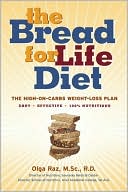
Bread for Life diet

The Bread for Life diet is based on the premise that eating generous amounts of bread every day will reduce cravings and help you lose 20 pounds in 8 weeks. The theory behind the diet is that complex carbohydrates act to increase serotonin levels, which in turn results in a reduction in cravings for sweet foods and decreased appetite. The Bread for Life diet is created by Israeli nutritionist, Olga Raz. The theory behind the diet is that complex carbohydrates act to increase serotonin levels, which in turn results in a reduction in cravings for sweet foods and decreased appetite. The foundation of the diet is bread; up to 12 slices of bread a day for women and 16 for men.


Raz does emphasize that this must be ‘light’ bread which contains 35-45 calories per slice. Heavier breads and those containing nuts and raisins may have up to 90 calories. These are not forbidden but not recommended for everyday use – and allowed as long as daily bread calorie quota maintained.

Hospital infections are riskier worldwide than flying

If you were admitted to hospital tomorrow in any country your chances of being subjected to an error in your care would be something like 1 in 10. This compared with a risk of dying in an air crash of about 1 in 10 million passengers, professor Liam Donaldson, England's former chief medical officer said. The risk of acquiring infections is significantly higher in intensive care units, and is particularly associated with the use of devices such as urinary catheters and ventilators, the report said. The impact of the infections implies longer hospital stays, higher chances of long-term disability, increased antibiotic resistance, a massive financial burden for health system, high costs for patients and their families, and excess deaths. Evidence suggests that health care-associated infection can be prevented and the burden by as much as 50 per cent or more.

Source: CBC News

Selasa, 19 Juli 2011

Dukan Diet, foods that you can eat

Anything not on the list is forbidden.

Lean beef, veal or rabbit, but not pork or lamb. Trim all fat and avoid fatty cuts. Eat meat grilled, roasted or boiled without butter, oil or cream, or ‘dry fried’ after rubbing surface of a frying pan with a few drops of vegetable oil on kitchen paper. Lean minced beef can be prepared as burgers or meatballs. Chicken and turkey (skin removed).


Specifically branded low-fat ham (cut any rind off) and dried beef (bresaola).
Liver (beef or chicken).
All fish: white, oily, fresh, frozen, dried, smoked or canned (in water or brine).

All shellfish.
Up to two eggs a day. Stick to 3-4 yolks per week if you have high cholesterol, but the white can be eaten without restriction. Non-fat dairy products, such as 0 per cent yoghurt, cottage cheese and skimmed milk.

Slim Weight Patch
 
Natural (plain) and flavoured yoghurts (coconut, vanilla, lemon) are allowed without restriction, but non-fat fruit yoghurts (which contain fruit puree) should be restricted to two per day.
Sweeteners, vinegar, spices, herbs, garlic, onion, gherkins, pickled onions (not in large quantities), lemon juice, mustard and salt (in moderation), sugar-free natural ketchup, sugar-free chewing gum.

Jumat, 15 Juli 2011

Weight loss surgery works better than weight-loss drugs or diets

Recent research from the Institute for Cardiovascular Research, Amsterdam, revealed that 80% of obese people suffering from diabetes were able to come off their medication following a gastric bypass. The Institute also revealed that 62% needed no further treatment following gastric banding. Spire Manchester Hospital recently became the first hospital in the North West to be awarded ‘Centre of Excellence’ status from the International Federation for the Surgery of Obesity and Metabolic Disorders (IFSO). The Spire Manchester Hospital had to prove to an independent committee that its bariatric surgeons each had a minimum of five years experience performing weight loss procedures, alongside a dedicated team who effectively treat and manage morbidly obese patients from initial consultation to life-long aftercare.


Bariatric surgery is not only cost-effective for treating people who are severely obese, but also for those who are mildly obese, according to a new study from Washington University School of Medicine in St. Louis. The findings support making bariatric surgery available to all obese people, the researchers say.

Source: Private Health

Selasa, 12 Juli 2011

Babies should exercise, to avoid obesity later in life

In a new campaign against obesity, the British government issued guidelines on Monday recommending that children under the age of five exercise every day. The guidelines recommend children under five be physically active for at least three hours per day, they also say that babies should be doing tummy time or in-swim lessons with their parents to help them gain strength. The goal is to avoid obesity when the children become adults. Doctors say exercise prevents heart disease, diabetes and certain cancers later in life. More than one in 10 children ages 2 to 10 are obese, according to the U.K. Department of Health. Now, for the first time, exercise recommendations released by the agency aim to prevent and reduce obesity, not just among the pub-going masses, but among a much-younger group: children under age 5. Wales’ chief medical officer Dr Tony Jewell yesterday said: “For the first time we’re giving parents advice on how much exercise or activity their under fives should be doing – three hours a day when they’ve learnt to walk. “When you are talking about babies, it’s about having them on a mat reaching for things – have some tummy time. “You can do baby yoga, you can do baby gyms – but you don’t have to. “If you have a mat or a towel on the floor you can just let them play. Toys are always great but you don’t need them.

Source: BBC

Minggu, 10 Juli 2011

People with type 2 diabetes should eat nuts, olive oil and avocados

They conclude that mixed, unsalted, raw, or dry-roasted nuts have benefits for both blood glucose control and blood lipids and may be used to increase vegetable oil and protein intake in the diets of type 2 diabetic patients as part of a strategy to improve diabetes control without weight gain,” the researchers write. Researchers found that when people with type 2 diabetes replaced some of their usual carbohydrates with about a half-cup of mixed nuts each day, the study participants' blood sugar and "bad" cholesterol levels dipped slightly over three months. “There are two important factors in caring for diabetes: blood sugar control and heart health,” study researcher Cyril W.C. Kendall, PhD, of the University of Toronto, says in a news release. For people who are not crazy about nuts, there are other sources of monounsaturated fat, like olive oil and avocados. While this study did not look at those foods, Kendall said it would be a wise move to replace some carbs with those fats. The findings are published in the journal Diabetes Care.
Source: Reuters

Blueberries in your daily diet helps your skin look younger

Recent studies showed that people who ate 1 cup of blueberries a day performed 5% better in motor function skills than those who ate no blueberries. They are packed with flavinoids, tannins, antioxidants, phytochemcials, iron, manganese, Vitamin C, and vitamin E - all of which can help prevent serious illness and disease. When it comes to looking younger, blueberries can‘t be beat! It seems that inflammation is a major cause of skin aging and wrinkling so, once again, the powerful anti inflammatory properties of blueberries come into play. In fact, the world renowned dermatologist Dr. Nicholas Perricone recommends including blueberries in your daily diet in order to help you skin look younger.

Sabtu, 09 Juli 2011

Adult obesity rates increased in 16 states during the past year

The new report breaks down obesity rates and anti-obesity initiatives by state, regions, and ethnic groups and also documents the rise in obesity-related diseases such as diabetes and high blood pressure. In the past year, obesity rates rose in 16 states and fell in none, according to the eighth annual "F As In Fat" report, prepared jointly by the Trust for America's Health and the Robert Wood Johnson Foundation. Twelve states now have obesity rates of 30% or more, led by Mississippi at 34.4%, the report says. That's up from a single state over 30% four years ago. But the report does offer a glimmer of hope: It marks the first time that there were fewer than 20 states with increasing adult obesity rates. Source: WebMD

Death of an Arizona resident is linked to Europe's sprout-related Escherichia coli O104:H4 outbreak

The CDC confirmed that the Arizona patient had the same strain of E. coli that has swept Europe. More than 4,100 people in Europe and North America have been infected in two outbreaks of E. coli infection, one centered in northern Germany and one focused around the French city of Bordeaux. Five of the US patients had traveled to Germany before they got sick, and one was a close contact of a Michigan patient who had HUS, a serious kidney disorder. The Arizona Department of Health Services had previously said that the patient is a man older than 65 who died in mid June after he was hospitalized for HUS, according to a Jun 24 report from the Arizona Republic. An imported lot of fenugreek seeds which was used to grow sprouts imported from Egypt by a German importer is the most common likely link," the European Food Safety Authority said in a statement this week.

Kamis, 07 Juli 2011

Strict 600 calorie-a-day diet reverses Type 2 diabetes in a week

According to study leader Rod Taylor, he and his colleagues studied 11 patients who had had diabetes for several years after developing the condition later in life. At the beginning of the study, patients weighed an average of 220 pounds. At the end of the eight-week period, they had dropped an average of 33 pounds and were diabetes free. Prof Taylor explained that too much fat "clogged up" the operation of the pancreas at a cellular level, preventing normal secretion of insulin which regulates blood sugar. When this fat was removed - by way of the diet - normal function resumed. He said: "This is a radical change in understanding Type 2 diabetes. It will change how we can explain it to people newly diagnosed with the condition. "While it has long been believed that someone with Type 2 diabetes will always have the disease, and that it will steadily get worse, we have shown that we can reverse the condition."

Source: Telegraph.co.uk